
Travelers using the water transport routes across Port Harcourt are raising the alarm over growing plastic pollution along the city’s rivers and creeks, saying it poses a danger to health, safety, and the environment.
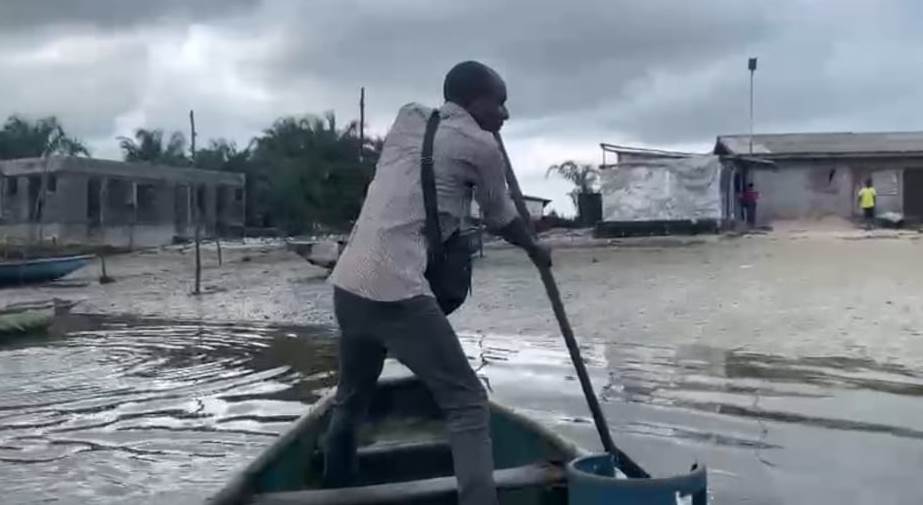
Reports from one of our reporters (Victor Adokie) show that from Onne Waterfront to Borokiri and Nembe waterside, the once serene waterways are now littered with plastic bottles, nylon bags, sachet water wrappers, and other non-biodegradable waste floating endlessly on the water’s surface.
“We Are Afraid” — Commuters Speak Out
“I use the boat every day to get to work,” said Mr. Opuwari, a resident of Abonema Wharf. “Some days, we have to stop and remove plastics stuck in the propeller. This pollution is affecting our lives and livelihood.”
Another frequent traveller, Mrs. Florence, expressed concern for her children who sometimes travel by boat to school. “We don’t know what harmful chemicals are in this water. Nothing is being done,” she lamented.
Waterways Under Threat
The plastic waste does more than slow down boat riders it threatens aquatic life, worsens flooding, and pollutes the drinking water sources of local communities who rely on rivers. An accident had occurred two weeks ago, along the Okrika water way.
According to a survivor of the boat mishap, the tragedy happened when the engine of their boast was rapped by plastic wastes littered all over the River. According to Boma, the boast driver, his engine was seized by the plastic waste, casing the boat to tilt too much towards the right side, “this made the boat to capside.
However, efforts were made and all the passengers of the boat were rescued alive.
Meanwhile, Aquatic animals are not spared the danger of pollution on the sea also affects aquatic animals alot
A fisherman Barisi Daniel who spoke to us said “Many of the fish we catch now have plastic particles in them,” says fisherman . “You see plastics floating everywhere. It’s heartbreaking.”
Experts Warn of Long-Term Damage
Environmental specialists warn that plastic waste trapped in water bodies can take hundreds of years to decompose, during which they release toxic substances into the ecosystem. Engr. Susan Atori, a marine ecologist, notes: “The plastic problem in the Niger Delta is not just a hygiene issue — it’s a public health emergency in the making.”
Grassroots Cleanup, But Not Enough
Some local ecological groups and youth volunteers have attempted river cleanups, but without government support or proper waste management infrastructure, progress remains slow.
“Every rain washes more waste into the river,” says a member of the Borokiri Green Initiative. “We’re trying our best, but we need help.”
Time for Action — What the Travellers Are Demanding
River users are calling on:
- Rivers State Environmental Sanitation Agencies
- Local councils
- Private waste management companies
to set up waste collection points, enforce sanitation rules, and implement daily or weekly waterway cleaning programs. Moreso, some section of Rivers people have suggested that the government of Rivers state go the same direction as the Lagos state government by placing a ban on the use of single use plastics. according to them, this will reduce the amount of plastic material being imported into Rivers state first, while also reducing the tendency of such plastic ending up in the water way.
The rivers and creeks of Port Harcourt are more than just transportation routes, they are sources of food, work, and life for thousands. But plastic waste is choking them slowly. The voices from the waterways are clear: “We need urgent action. Clean our rivers now, before it’s too late.”